Children’s wristwatches are popular across Europe for a simple reason: they help kids learn independence—getting to school on time, managing after-school activities, and understanding routines.
What parents in Europe look for
- Comfort and durability: Soft straps (silicone or fabric), rounded cases, and sturdy buckles.
- Easy-to-read dials: Clear numbers, strong contrast, and simple minute markers.
- Water resistance: Useful for rainy days, handwashing, and playground life.
- Safe materials: Hypoallergenic straps and solid construction.
Age-based suggestions
- Ages 4–7: Big numbers, simple analog (or very simple digital), lightweight strap.
- Ages 8–12: More features (alarm, stopwatch), better water resistance.
- Teens: Sporty or minimalist styles that feel “grown up.”
Smartwatch vs. regular watch
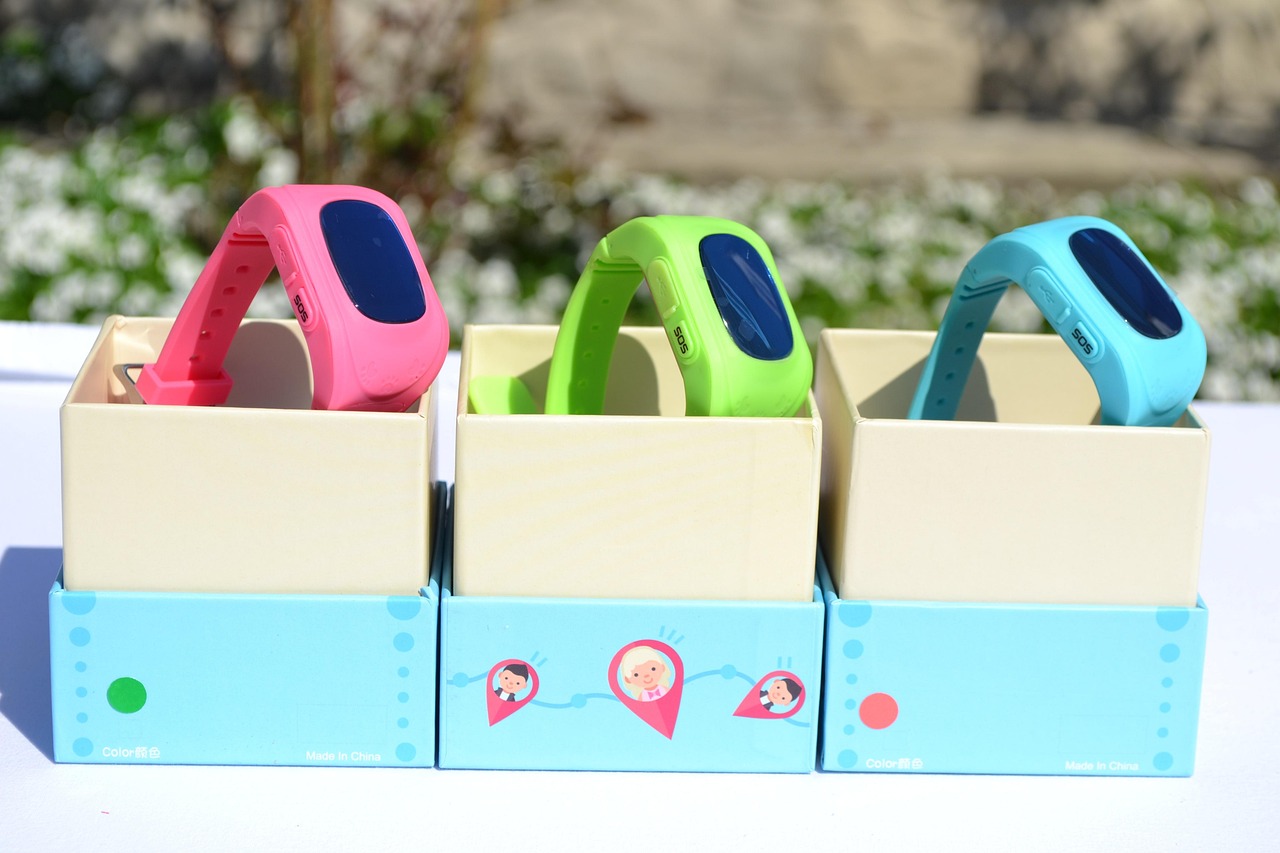
Some European families choose kids’ smartwatches for GPS and calling, but many schools limit them. A classic watch avoids distractions and focuses on learning time.